Back to previous page

Nepal: providing security during reconstruction

Many inhabitants of Nepal are still experiencing the consequences of the 2015 disastrous earthquakes. Most of the houses in the earthquake-affected areas have been damaged or destroyed. In three of those areas land administration experts from Nepal, international experts from the Global Land Tool Network (GLTN) and Kadaster, are working on methods to accelerate reconstruction.

For many Nepalese people in the affected areas, only one thing is important: they want a house again! But it has to be built in the right place and they must have the guarantee that it is their property.

Accelerate processes

Despite the solid plans and financial resources from the government, reconstruction does not go as fast as is needed. Bureaucratic procedures and a big gap between government and citizens are slowing down the process. The government is looking for practical ways to speed up reconstruction.

More about this project

This project has 2 main goals:

Joint approach with residents and municipality

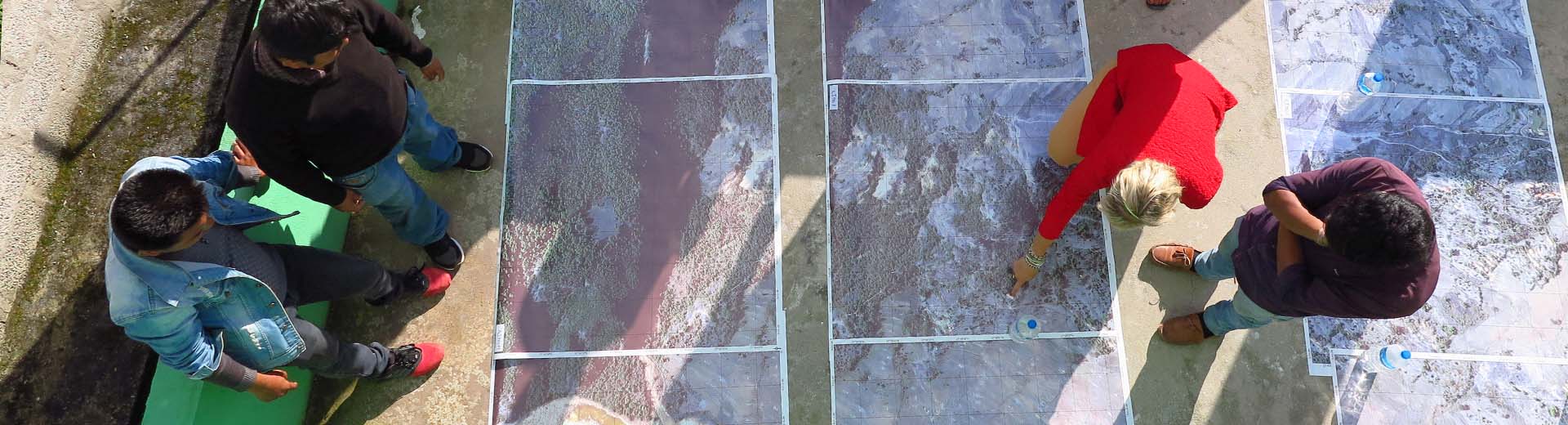
Farmers from the first of the three areas cannot return to their own village because of the danger of landslides. The government has assigned a new location for the village. But before the farmers can build a new house, the government must make a settlement plan.

We accelerate this process by helping farmers and the municipality to make this plan together, including providing tenure security with titles. We also use that approach in the second area. Here, the residents want to rebuild their village and at the same time make the structure of plots and public space more efficient.

Unrecorded lease agreements

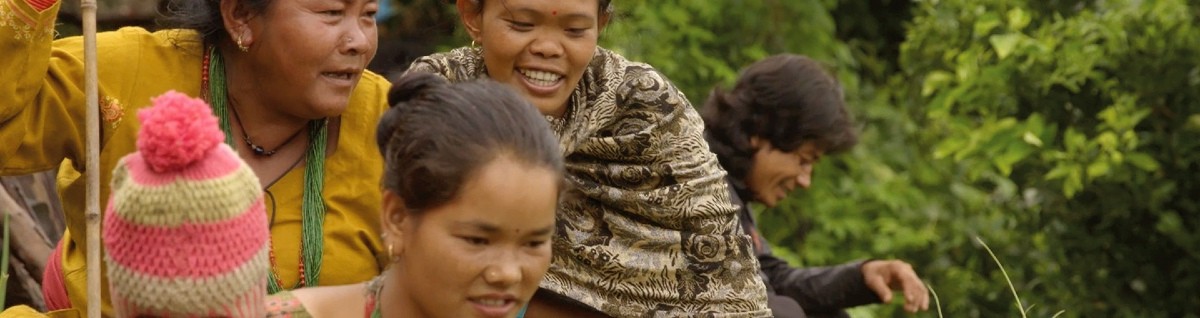
In the third area, many farmers live on land owned by landlords. The lease agreements are often not recorded. In addition, many farmers have low literacy, so they are insufficiently aware of their rights and options offered by the government. Awareness of their legal status and knowledge of the processes is important to acquire funding for building their new house.

This project has 2 anticipated results:

Joint approach with residents and municipality

Farmers from the first of the three areas cannot return to their own village because of the danger of landslides. The government has assigned a new location for the village. But before the farmers can build a new house, the government must make a settlement plan.

  • We accelerate this process by helping farmers and the municipality to make this plan together, including providing tenure security with titles. We also use that approach in the second area. Here, the residents want to rebuild their village and at the same time make the structure of plots and public space more efficient.

Unrecorded lease agreements

In the third area, many farmers live on land owned by landlords. The lease agreements are often not recorded. In addition, many farmers have low literacy, so they are insufficiently aware of their rights and options offered by the government. Awareness of their legal status and knowledge of the processes is important to acquire funding for building their new house.

Within the project Kadaster works with the local organisation Huradec. The experience will be used to improve land rights at a bigger scale throughout the whole of Nepal.

Januari 2017 - July 2018

News

News item: Strengthening digital mapping in North Macedonia

TAIEX experts helped North Macedonia modernise digital map production through practical recommendations and international knowledge sharing.

Read more

Contact

More info and contact

If you want more information about the project or if you want to contact us, please fill in the contact form.

Other projects

Benin: Boosting the national land administration

To establish an infrastructure of systems and procedures for the initial registration and updating processes. The ANDF staff will have acquired the necessary expertise and some parts of the country will be registered.

Indonesia: Digital transformation for food security

This project aims to develop a geo-information and satellite imagery eco-system in Indonesia. At the same time, it will improve public governance systems.

Colombia: Land at scale

The 'LAND-at-scale' project in Colombia aims to support land administration processes of indigenous and Afro-Colombian communities in a fair, efficient and effective manner.