News item: EG-LAM 2026: from global guidance to local action
Participants of the EG-LAM 2026 meeting in Cape Town, South Africa, discussed how land administration frameworks accelerate real impact in the field.
Read more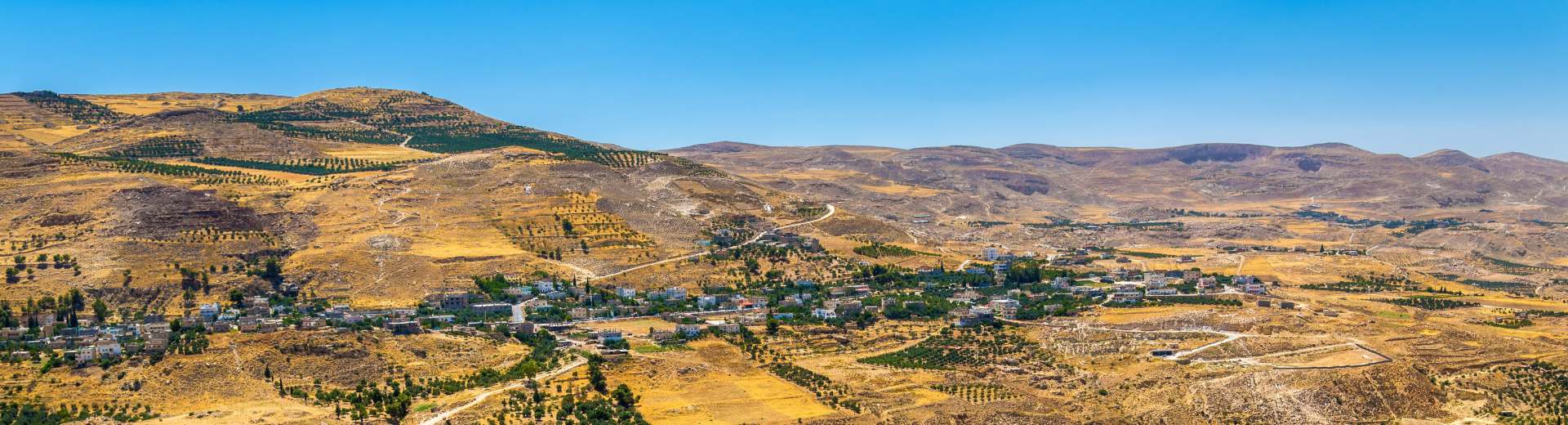
Jordan’s cadastre is held by the Department of Lands and Survey (DLS). It has a long-standing tradition of unified land registration and cadastral survey. Their integrated approach has laid a solid foundation for digital transformation. Over the years they have made notable achievements in digitizing land records and services.
The strength of the DLS lies in their digital orientation. However, they need further development to implement process-based workflows into the DLS, and to enhance integration with modern web services. This is especially important for public administration stakeholders.
This project will assist the DLS in advancing its land administration system, aligning it with international standards in land tenure administration. By the end of the project, the DLS will be better equipped to provide reliable data for infrastructure development. This in turn will foster investor confidence in land ownership and business conditions.
This project is a testament to the power of international cooperation. By combining expertise from the Netherlands, Croatia and Spain, we support Jordan in building a future-proof land administration system. It promotes transparency, efficiency and economic growth.
In this short video, our project partner Firas Jarun shares what sets Kadaster International apart.
Participants of the EG-LAM 2026 meeting in Cape Town, South Africa, discussed how land administration frameworks accelerate real impact in the field.
Read more